
Veterans and their families may be eligible for valuable funeral and burial benefits through the U.S. Department of Veterans Affairs (VA). These benefits are designed to honor military service while helping reduce end-of-life expenses.
However, these benefits are not automatic. They must be requested, and eligibility requirements apply.
Understanding what is available — and documenting plans in advance — can help families avoid confusion, reduce financial strain, and ensure a Veteran’s service is properly recognized.
This guide outlines VA burial benefits effective January 1, 2026. For full details and updates, families should consult the official VA website.
What Are VA Burial Benefits?
VA burial benefits provide financial assistance and memorial services to qualifying Veterans, spouses, and dependents.
Depending on eligibility, benefits may include:
- Financial assistance toward burial, funeral, or cremation expenses
- A gravesite or cremation niche in a VA national cemetery
- Opening and closing of the grave
- Perpetual care
- A government-issued headstone or marker
- A U.S. burial flag
- A Presidential Memorial Certificate
These benefits are intended to provide a dignified memorial while easing some of the financial burden on families.
VA Burial Benefit Amounts for 2026
As of January 1, 2026:
- Non-service-connected death:
Up to $978 toward burial and funeral expenses - Plot or interment allowance:
Up to $978 (if burial or inurnment occurs outside a VA national cemetery) - Service-connected death:
Up to $2,000 toward burial and funeral expenses
Transportation reimbursement may also be available in certain situations.
While helpful, these allowances typically cover only a portion of total funeral costs.
Military Funeral Honors
When a Veteran is buried or inurned in a VA national cemetery, Military Funeral Honors are included.
These honors typically include:
- A U.S. burial flag
- The playing of “Taps” (live bugler when available or ceremonial recording)
- An honor guard detail from the Veteran’s branch of service
If burial takes place in a private cemetery, military honors may still be requested through the Department of Defense.
Headstones, Markers, and Memorial Items
For eligible Veterans buried in private cemeteries, the VA may provide:
- A government-issued headstone or marker
- A medallion to be affixed to a privately purchased headstone
- A Presidential Memorial Certificate signed by the current President
These items recognize and commemorate the Veteran’s service.
Transportation Benefits
If a Veteran passes away in a VA or VA-approved medical facility, the VA may cover transportation to the final resting place.
In other qualifying situations, reimbursement for transportation expenses may also be available.
Who Is Eligible to Apply?
To qualify for VA burial benefits, the Veteran must not have been discharged under dishonorable conditions.
Those who may apply include:
- The surviving spouse (including same-sex spouses)
- A surviving partner from a recognized legal union
- A surviving child
- A parent
- The executor or administrator of the estate
- The individual or organization that paid for funeral expenses
Reservists and National Guard members may also qualify if they completed required service obligations honorably or died while on active duty or authorized training.
When Are VA Burial Benefits Available?
Benefits may apply if:
- The Veteran was receiving VA compensation or pension at the time of death
- The death was service-connected
- The Veteran died while receiving VA medical care
- The Veteran died while traveling under VA authorization for treatment
- A VA compensation or pension claim was pending
- The Veteran was eligible for compensation but elected to receive military retirement or disability pay instead
When Are Benefits Not Payable?
VA burial benefits are generally not available if the Veteran passed away:
- While on active duty
- While serving as a member of Congress
- While serving a federal prison sentence
Understanding the Financial Picture
While VA burial benefits provide meaningful support, they rarely cover the full cost of funeral or cremation services.
Funeral costs vary by region and service type, and many families pay additional out-of-pocket expenses beyond the VA allowance.
Because benefit amounts may not fully keep pace with inflation, some Veterans choose to outline their funeral preferences in advance — and in some cases explore prepayment options — to protect their families from unexpected costs.
Even documenting basic preferences can make a meaningful difference.
A Practical Next Step
If you or a loved one may qualify for VA burial benefits, consider taking these steps:
- Confirm discharge status and eligibility
- Gather military service documentation (such as DD Form 214)
- Review VA burial benefit amounts and application requirements
- Document funeral and burial preferences clearly
Keeping this information organized ensures it is accessible when needed.
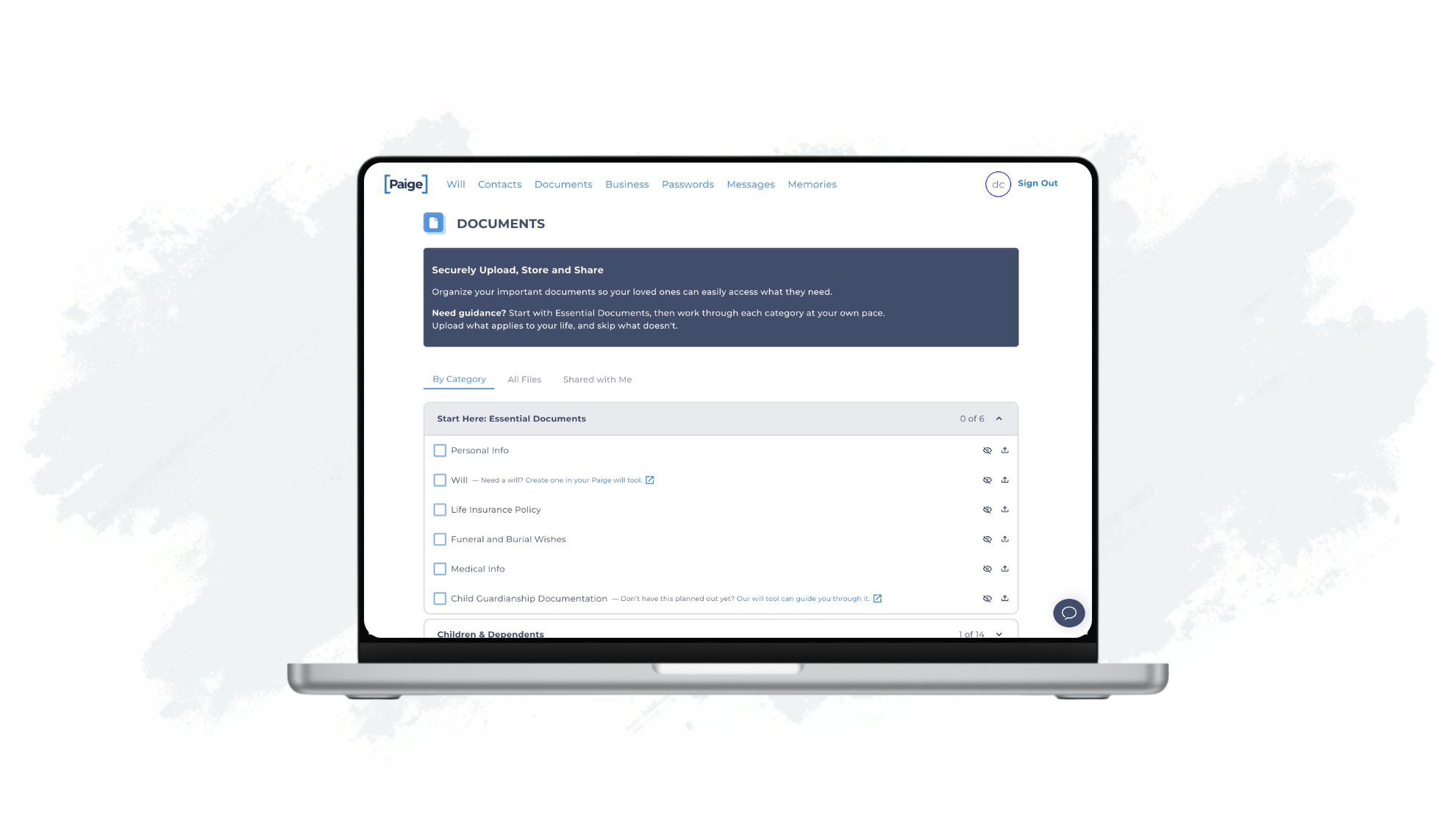
With Paige, Veterans and their families can securely store military records, benefit details, funeral preferences, estate documents, and key contacts — all in one protected place. Trusted delegates can be granted access, reducing stress and uncertainty during a difficult time.
Planning ahead is not about focusing on the end. It is about honoring service, protecting loved ones, and providing clarity when it matters most.
Secure Today, Ensure Tomorrow.