
Estate and funeral planning is important for everyone. For many LGBTQ+ individuals, however, documenting wishes clearly can be especially meaningful.
At its core, end-of-life planning is about identity, dignity, and ensuring the people you trust are empowered to carry out your decisions. When plans aren’t documented, state laws typically give decision-making authority to legal next of kin. That may align with your wishes — but not always.
Taking time to outline your preferences helps ensure your voice is honored.
Why Clear Documentation Matters
In moments of crisis or loss, decisions are made quickly. Without written instructions, others may rely on assumptions or default legal authority.
Documenting your wishes can help ensure:
- The correct name and pronouns are used
- Your gender identity is respected
- The people you trust are involved in decisions
- Funeral arrangements reflect who you are
- Healthcare choices align with your values
Planning ahead is not about anticipating conflict. It’s about removing uncertainty.
Healthcare Planning: Naming the Right Person
If you do not want your biological family to make healthcare decisions on your behalf, it is essential to formally appoint someone you trust.
Key documents to consider include:
- Healthcare Power of Attorney (POA) – Names a person to make medical decisions if you cannot
- Living Will – Outlines your preferences for medical treatment
- HIPAA Authorization – Grants access to medical information
- Hospital Visitation Authorization – Ensures chosen individuals can be present
It’s also wise to name a backup decision-maker.
These documents help ensure that the person who understands your identity and values best is the one guiding decisions.
Gender Identity and Expression
You may wish to provide explicit written instructions regarding:
- The name you want used
- Pronouns you want respected
- How you wish to be dressed or presented
- Specific guidance for memorial services
Including this information in your healthcare directive or funeral instructions provides clarity and reinforces your identity.
Marriage, Partnership, and Legal Recognition
Marriage equality is recognized in the United States, but legal documentation remains important — particularly for:
- Unmarried partners
- Couples in domestic partnerships
- Blended or chosen families
Financial Power of Attorney, medical directives, and estate documents ensure your spouse or partner has clear authority to act on your behalf.
Even married couples benefit from having these documents in place, as they prevent delays and confusion.
Funeral Planning Considerations
Funeral and memorial services are deeply personal. You may wish to outline:
- Burial or cremation preference
- How you want to be remembered and referred to
- The tone or style of the service
- Specific readings, music, or speakers
- Cultural or community elements that reflect your life
Clear documentation ensures your service reflects your authentic self.
Additional Support and Resources
Because estate and healthcare laws vary by state, it may be helpful to consult an attorney after completing basic documents.
National organizations that provide support and guidance include:
- SAGE (Services & Advocacy for LGBTQ+ Elders)
- Lambda Legal
- National Resource Center on LGBT Aging
- Hospice Foundation of America
These organizations offer educational materials and, in some cases, legal assistance.
A Calm, Practical Next Step
You do not need to complete everything at once.
Start by:
- Naming a healthcare agent
- Writing down identity preferences
- Documenting funeral wishes
- Organizing key legal and financial documents
Small steps create meaningful protection.
Keeping Your Wishes Secure
Once your documents and preferences are prepared, store them somewhere secure and accessible.
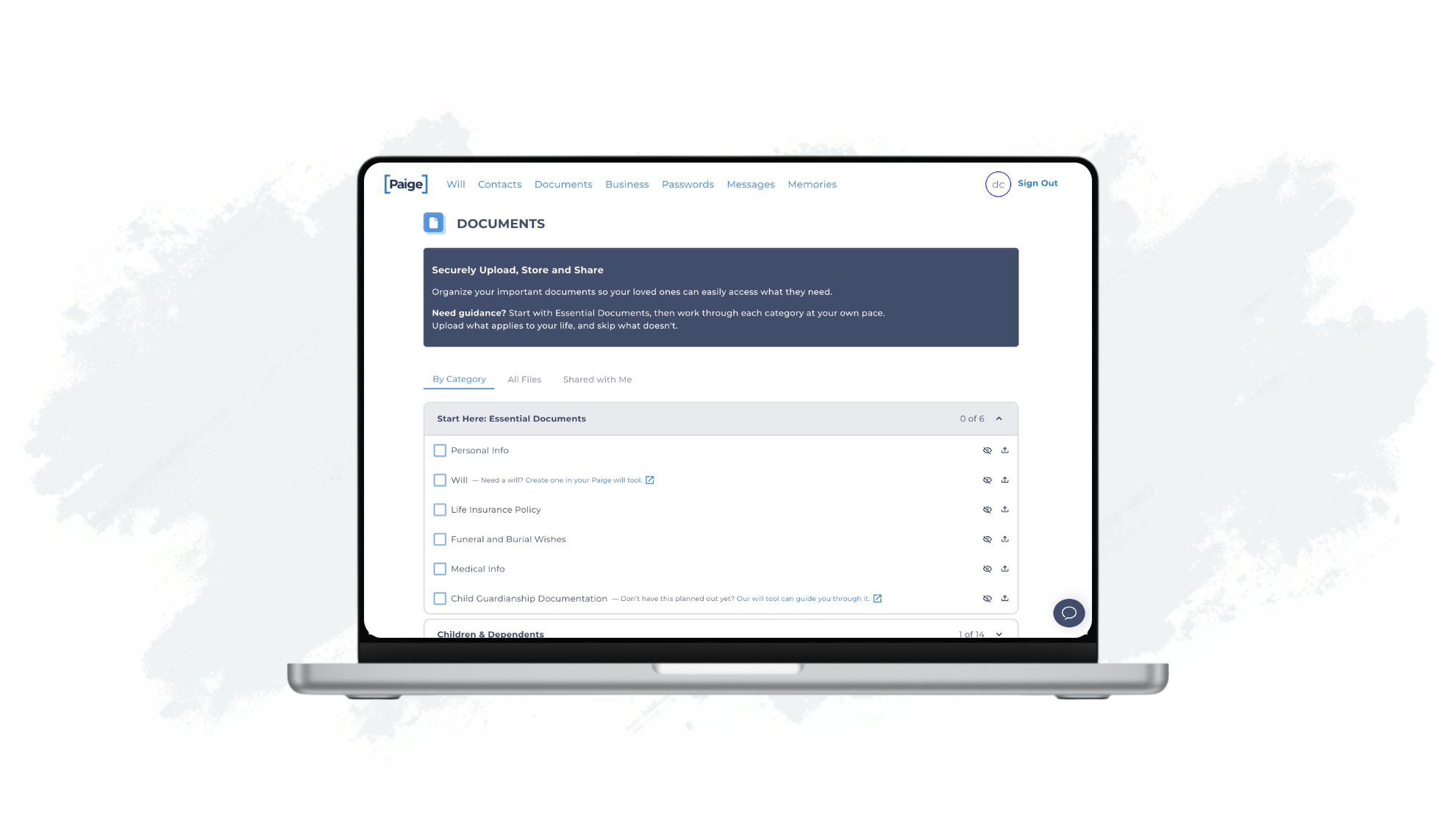
With Paige, you can keep your healthcare directives, estate documents, funeral instructions, and key contacts in one protected place. You can grant access to trusted delegates — whether family, chosen family, or close friends — ensuring the right people have guidance when it matters most.
Everyone deserves to live — and be remembered — with dignity and authenticity.
Secure Today, Ensure Tomorrow.