
Losing your last surviving parent is a profound emotional shift. Even if you’re surrounded by loved ones, it can leave you feeling unanchored—like the final thread to your childhood has been cut. That sense of loss makes the task of cleaning out your parent’s home feel even heavier.
Whether you plan to sell the property, move in, or simply honor their memory, sorting through the home they left behind can be overwhelming. This guide walks you through the process—both practically and emotionally—one step at a time.
Step 1: Cancel or Pause Services
Start by listing all the services your parent was using. This includes:
- Medical services (e.g., home health aides, prescription deliveries)
- Household services (e.g., cleaners, lawn care, newspaper delivery)
- Utility bills, cable, internet, and phone service
Tip: Consider keeping essential services—like internet and phone—active during the clean-out process to make communication and logistics easier. You may also want to continue lawn care or snow removal to keep the property well-maintained while it’s being sorted or shown.
Step 2: Tackle the Paperwork First
Before sorting anything else, gather and review all documents. Designate a family member who’s detail-oriented to handle this step.
Keep:
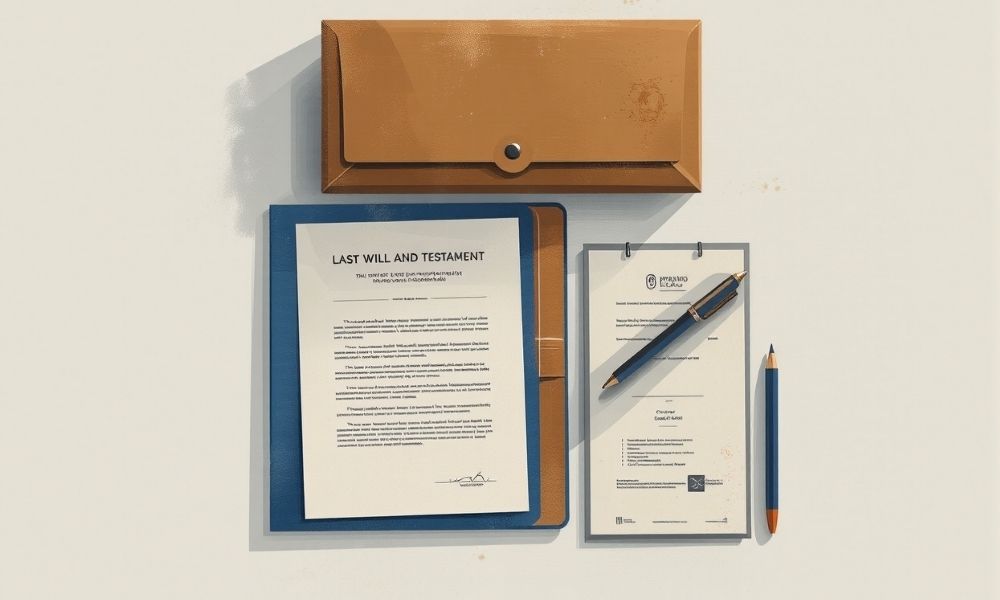
- The will or trust
- Insurance policies
- Titles, deeds, and account information
- Tax returns and documentation needed for future filings
- Sentimental documents like immigration papers, diplomas, marriage licenses, and religious records
Shred:
- Old bills, statements, and canceled checks that no longer serve a purpose
Tip: Use labeled file folders and storage bins to organize papers. When in doubt, keep it—for now.
Step 3: Set Aside Photos and Sentimental Mementos
Don’t try to sort through every photo or memory-laden letter just yet. Instead, place them in clearly labeled plastic containers or bins to go through later, once emotions aren’t as raw.
This preserves the memories without stalling the overall process.
Step 4: Involve Your Siblings—with Care
Family tensions can rise quickly when it comes to dividing a parent’s belongings. Whenever possible, gather siblings in person and approach the process with kindness and flexibility.
- Start by asking everyone to list their top 2–3 items they’d like to keep.
- Be open and transparent, and agree on a strategy to avoid misunderstandings.
- Consider keeping in-laws and grandchildren out of early conversations to simplify decision-making.
Remember: no item is worth sacrificing your sibling bond.
Step 5: Think Creatively with Everyday Items
Some of the most meaningful keepsakes don’t have to be obvious heirlooms. Consider how ordinary household items can become special tributes.
- Turn your dad’s favorite flannel into a pillow
- Repurpose your mom’s embroidered linens into quilt squares or holiday ornaments
Tip: Pinterest is full of creative ideas to help you preserve memories in tangible, heartfelt ways.
Step 6: Sort Household Items into Clear Categories
Once personal items are set aside, create designated areas or bins labeled:
- Estate Sale: Furniture, kitchenware, tools, collectibles
- Sell Online: Higher-value items or collectibles
- Donate: Clothing, books, and everyday items in good condition
- Trash/Recycle: Broken, outdated, or worn-out items
Tip: Don’t forget to check coat pockets, drawers, and even between couch cushions. Many families have found cash, heirlooms, or important documents in surprising places.
Step 7: Handle Vehicles and Cancel Insurance
Decide whether to sell or transfer ownership of any vehicles. Once they’re no longer in use, be sure to:
- Remove the car from the property
- Cancel the auto insurance policy
- Return any parking permits or decals if required
Step 8: Safely Dispose of Hazardous Materials
You may find paint cans, cleaning chemicals, expired medications, and other potentially hazardous items in the home.
- Contact your local waste management service to learn how to dispose of these materials responsibly.
- Never pour medications down the drain or throw chemicals in the regular trash.
Step 9: Preserve and Share Family Memories
With the house mostly cleared, return to the photos, cards, and handwritten notes. Consider:
- Creating a shared digital photo album for your siblings
- Scanning important documents and letters
- Dividing mementos evenly so each family member has a piece of your shared story
Tip: Even if some photos or documents don’t mean much to you personally, don’t discard them—someone in the family may cherish them later.
Step 10: Decide What to Do With the House
Finally, if your parent owned the home, your family will need to make a decision:
- Sell it as-is or after minor upgrades?
- Rent it out?
- Transfer it to a family member?
This can be an emotional and financial challenge. Some family members may want to hold on for sentimental reasons, while others may rely on their share of the proceeds. Approach this conversation with empathy and be prepared to compromise.
When the House Is Full of Memories
Cleaning out your parent’s house isn’t just about sorting objects—it’s about navigating grief, honoring their memory, and finding your footing in a new chapter of life. It’s hard. And it’s okay to feel overwhelmed.
Be patient with yourself. Be kind to your siblings. And take comfort in knowing that by showing up and doing this work with love, you’re continuing your parents’ legacy in the most meaningful way.