How to Create a Durable Power of Attorney
(and Why It Matters)
A durable power of attorney is one of those documents most people don’t think about until they really need it. By then, it can be too late.
Putting one in place now is a practical way to protect yourself and the people who may need to step in on your behalf. It ensures that if you’re ever unable to manage your finances or legal affairs, someone you trust can do so without unnecessary stress, delays, or court involvement.
Here’s what a durable power of attorney is, why it’s important, and how to create one.
What Is a Durable Power of Attorney?
A durable power of attorney (often called a DPOA) is a legal document that gives another person the authority to act on your behalf for financial and legal matters.
The person you choose is called your agent or attorney-in-fact. They may be authorized to handle things like paying bills, managing bank accounts or investments, filing taxes, dealing with insurance or government benefits, or managing real estate or business matters.
What makes it “durable” is that it remains valid even if you become incapacitated. Without that durability language, a power of attorney typically ends the moment you can no longer make decisions for yourself.
A durable power of attorney does not cover medical decisions. Those are handled through a healthcare proxy or medical power of attorney, which is a separate document.
Why It’s So Important
If you become incapacitated without a durable power of attorney in place, your loved ones may have no legal authority to help manage your affairs. In many cases, they would need to go to court to request guardianship or conservatorship, which can be costly, time-consuming, and emotionally difficult.
A durable power of attorney helps:
- Ensure decisions are made by someone you trust
- Reduce stress and conflict for your loved ones
- Protect your finances
- Avoid court involvement
It’s an essential part of estate planning, even if your life or finances feel relatively simple.
How and Where to Create a Durable Power of Attorney
Exact requirements vary by state, so please check your local laws, but the general process is straightforward.
Choose Your Agent
Your agent should be someone you trust completely. Many people choose a spouse, partner, adult child, sibling, or close friend. You can also name a backup agent in case your first choice is unable to serve.
It’s important to talk with this person ahead of time so they understand the responsibility.
Decide the Scope of Authority
A durable power of attorney can be broad or limited. Some people grant authority over most financial matters, while others restrict it to specific tasks or accounts.
You can also decide when the power takes effect. In many states, it can be effective immediately or only if you become incapacitated. Each option has tradeoffs, so it’s worth considering what makes sense for you.
Create the Document
There are different places you can go to create a DPOA:
An estate planning attorney, especially if your situation is complex
State-provided or state bar association power of attorney forms
Reputable online legal platforms that generate state-specific documents
Online services typically guide you through questions, generate the correct form for your state, and explain how to sign and notarize it properly. If you use an online or free form, make sure it’s state-specific and includes durability language.
Sign and Notarize It Properly
Many states require a durable power of attorney to be signed in front of a notary. Some also require witnesses. Again, check your local laws to ensure you follow the proper legal process.
Following your state’s signing requirements exactly is critical. If the document isn’t properly executed, banks or other institutions may refuse to accept it.
Store It Accessibly
A durable power of attorney only helps if it can be found and used.
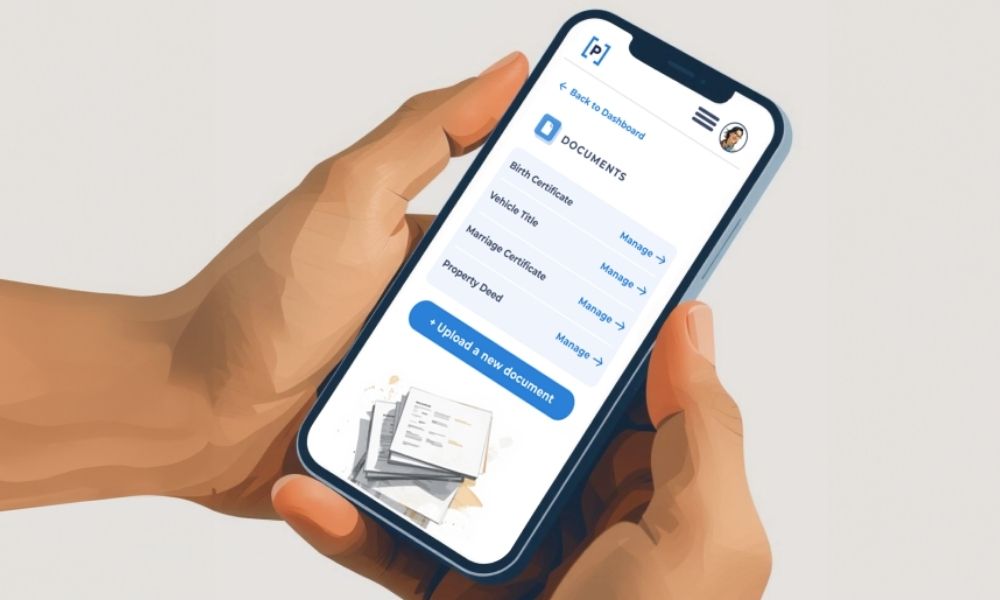
Your agent should know where the document is stored, and you may need to provide copies to financial institutions ahead of time. Keeping it securely stored alongside your other important documents helps ensure it’s available when needed. Keep a copy in your Paige documents tool, and tell your Agent where the paper copy is stored.
When to Review or Update It
You should review your durable power of attorney if:
- Your relationship with your agent changes
- Your agent is no longer able to serve
- You move to a new state
- Your financial situation changes significantly
Keeping it current helps ensure it reflects your wishes and remains valid.
A Small Step That Makes a Big Difference
Creating a durable power of attorney isn’t about planning for the worst. It’s about making things easier for the people you trust if something unexpected happens.
It’s a simple, thoughtful step that protects your independence, your finances, and your loved ones’ peace of mind.
At Paige, we believe planning works best when your documents are clear, secure, and easy to access. A durable power of attorney is a key part of that foundation.